
Blog

Why Is the Use of Laminar Flow Units on Operating Tables Important?

by October 14, 2024

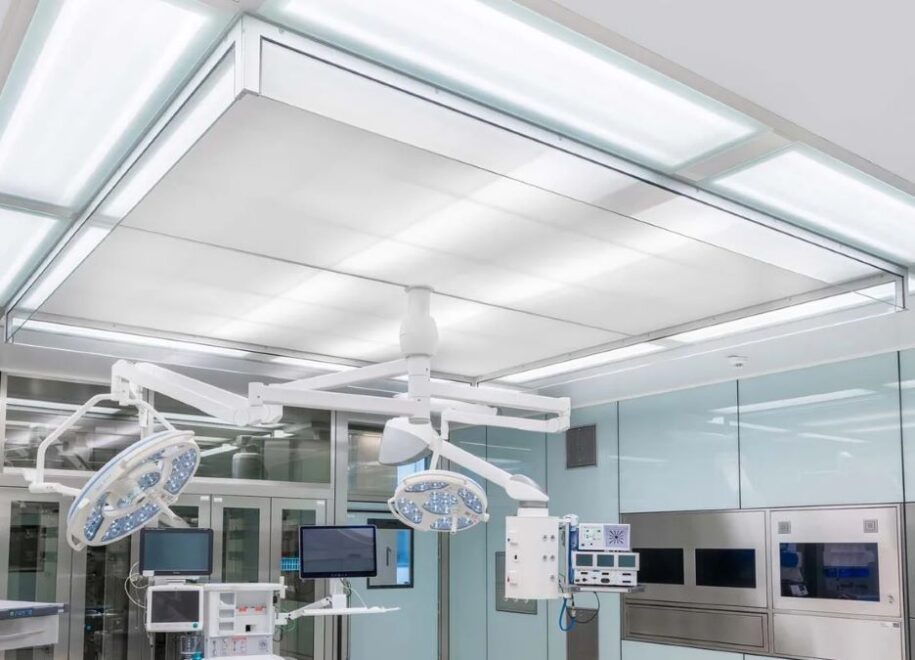
Laminar flow units on operating tables provide sterile airflow through HEPA filters, preventing microorganisms and particles from reaching the surgical site. This reduces the risk of infection and increases surgical success, particularly in prosthetic and implant surgeries. Laminar airflow prevents external contamination, optimizing patient safety and surgical outcomes.

The use of laminar flow units in operating rooms is critical for maintaining sterility and minimizing infection risk. Key reasons for their importance include:

  1. Prevention of Airborne Infections
    Laminar flow systems filter particles and microorganisms (via HEPA filters), delivering clean air directly to the surgical field. This is especially vital in prosthetic surgeries, where infections can lead to serious complications.

  2. Protection of the Sterile Field
    The unit creates a turbulence-free (laminar) airflow, preventing contamination from the surrounding environment. Movements of the surgical team or external air currents do not compromise the sterile area.

  3. Increased Surgical Success Rates
    In areas such as orthopedics and neurosurgery, the risk of postoperative infection in patients receiving implants or foreign objects is significantly reduced.

  4. Reduction of Microbial Load
    HEPA filters capture 0.3-micron particles with 99.97% efficiency, preventing the spread of bacteria, fungi, and viruses. This effectively controls hospital-acquired infections (SSI – Surgical Site Infection).

  5. Compliance with Standards and Protocols
    International surgical guidelines (WHO, CDC, AORN) and sterility protocols recommend laminar flow use in high-risk surgeries. Hospitals also monitor these systems during accreditation processes.

  6. Patient and Staff Safety
    Laminar flow units improve patient recovery and optimize the working environment for the surgical team.

Summary:
Laminar flow units maintain aseptic conditions in the operating room through controlled airflow, enhancing both patient safety and surgical outcomes. They are indispensable for long surgeries involving open wounds.
Use and Importance of HEPA Boxes in Hygienic Areas

by July 27, 2024

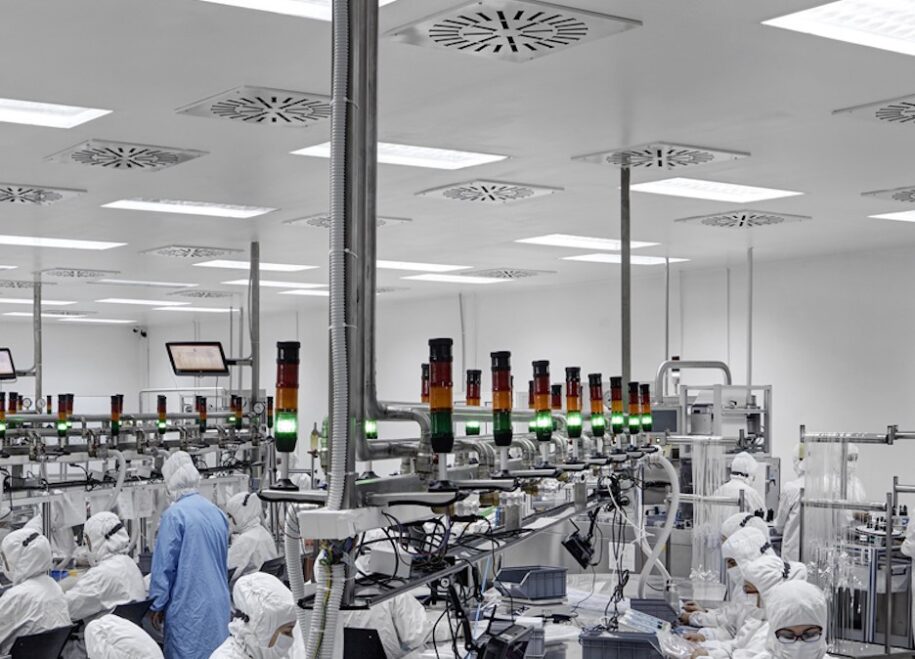
HEPA (High-Efficiency Particulate Air) filters are critical components for maintaining high air quality, especially in hygienic and controlled environments. HEPA boxes provide a secure and efficient system for installing, replacing, and disposing of these filters safely.

Applications of HEPA Boxes

HEPA boxes are commonly used in environments requiring high hygiene standards:

  • Hospitals and Operating Rooms: Infection control

  • Pharmaceutical and Biotechnology Industry: Sterile production areas

  • Laboratories: Preventing microorganism and particle contamination

  • Food Industry: Minimizing dust and microbial contamination

  • Electronics and Aerospace Industry: Maintaining dust-free environments

Importance of HEPA Boxes

  • Reduces Contamination Risk:
    Prevents the spread of particles and microorganisms during filter replacement.
    Avoids dispersal of pathogens accumulated on filters.

  • Ensures Staff and Environmental Safety:
    Protects operators when handling biologically hazardous materials (e.g., tuberculosis labs).
    Reduces inhalation of chemical and toxic particles.

  • Compliance with Standards:
    Facilitates adherence to ISO 14644 (Cleanroom Standards) and GMP (Good Manufacturing Practices).
    Supports requirements of regulatory authorities such as FDA and EU GMP.

  • Efficient and Safe Replacement:
    Ensures filters are transported in a closed system and sealed leak-proof.
    Provides a safe method for controlled disposal of used filters.

Considerations When Choosing a HEPA Box

  • Sealing: Must provide complete isolation.

  • Material Durability: Resistant to chemicals and punctures.

  • Portability: Ergonomic design for safe handling.

  • Compatibility: Suitable for the dimensions of the HEPA filters in use.

Conclusion

HEPA boxes are indispensable equipment that enhance the safety and effectiveness of air filtration systems in hygienic and sterile environments. Proper use protects personnel health, ensures product quality, and supports regulatory compliance.

The Use and Importance of Portable Medical Air Purifiers in Laboratories

by June 6, 2024

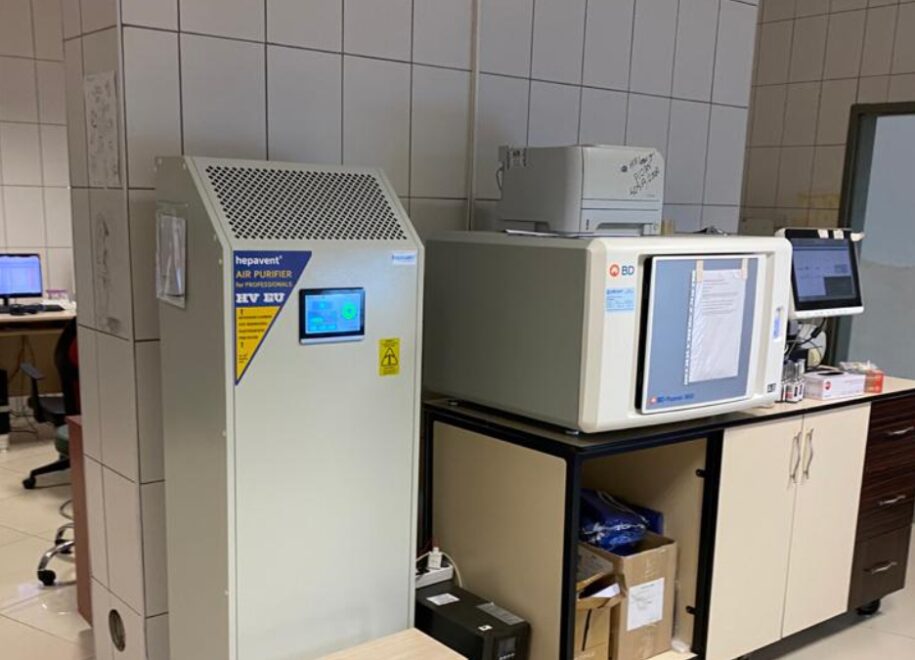
Laboratories are environments where precise work is conducted, and air quality is critical. Dust, chemical vapors, microorganisms, and other particles can negatively affect both staff health and experimental results. Therefore, portable medical air purifiers play a vital role in laboratory safety and efficiency.

What Are Portable Medical Air Purifiers?

These devices use technologies such as HEPA filters, activated carbon filters, and sometimes UV-C light to remove harmful particles, allergens, viruses, and bacteria from the air. Their portability allows them to be quickly deployed wherever needed.

Advantages of Using Portable Medical Air Purifiers in Laboratories

  1. Protects Staff Health
    Chemical vapors, toxic particles, and pathogens can harm staff through inhalation.
    HEPA filters capture particles as small as 0.3 microns with 99.97% efficiency, reducing respiratory risks.
    Especially in high biosafety level (BSL-2, BSL-3) labs, they help control infections.

  2. Ensures Reliable Experimental Results
    Airborne particles can cause microbial contamination, leading to inaccurate results.
    Clean air environments increase data integrity, particularly in microbiology, genetics, and nanotechnology labs.

  3. Reduces Chemical Vapors and Odors
    Activated carbon filters absorb volatile organic compounds (VOCs) and strong odors, providing a more comfortable workspace.

  4. Flexible and Rapid Solution
    Offers additional protection where fixed ventilation systems are insufficient.
    Being portable, they can be temporarily used in different laboratory areas.

  5. Supports Compliance with Legal and Industry Standards
    Helps meet ISO 14644 (Cleanroom Standards) and OSHA laboratory safety regulations.

Suitable Laboratory Types

  • Microbiology and Virology Labs → Pathogen filtration

  • Chemistry and Biochemistry Labs → Chemical vapor control

  • Electronics and Nanotechnology Labs → Dust and particle minimization

  • Pathology and Genetics Labs → Contamination prevention

Conclusion

Portable medical air purifiers are critical in laboratories for protecting staff, ensuring data accuracy, and maintaining process quality. Equipped with appropriate filtration technologies, they reduce short-term risks and enhance long-term laboratory efficiency.

Use and Importance of Portable Medical Air Purifiers in Hospitals

by May 23, 2024

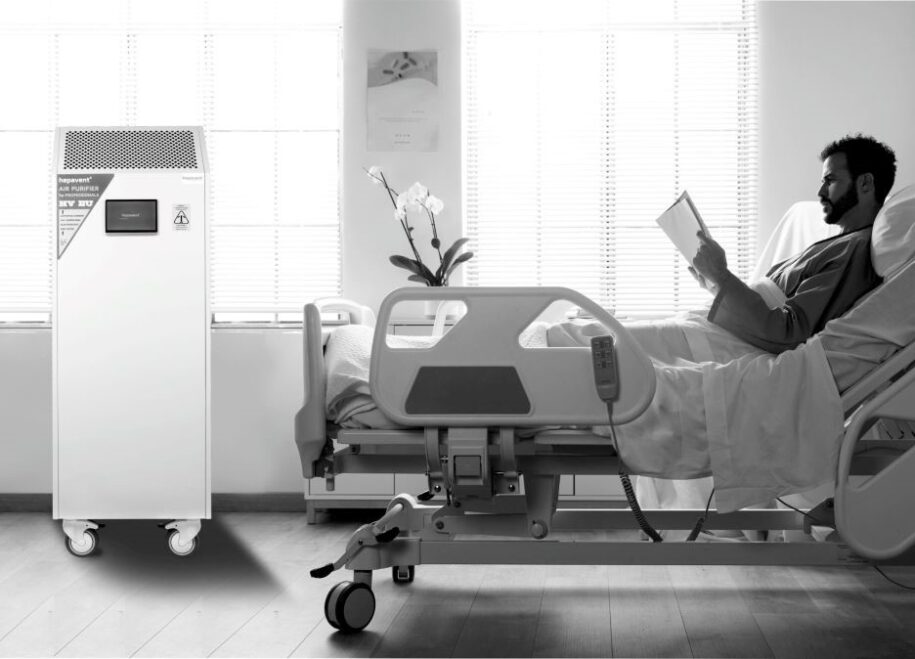
Hospitals are critical environments where infection control is vital and air quality directly impacts patient health. Portable medical air purifiers are increasingly preferred as effective solutions to meet these demanding requirements.

Role of Portable Medical Air Purifiers in Hospital Settings

These devices use multi-filtration technologies such as HEPA filters, activated carbon filters, and UV-C disinfection to effectively remove:

  • Pathogens (bacteria, viruses, fungi)

  • Allergens and dust particles

  • Chemical vapors and unpleasant odors

  • Volatile organic compounds (VOCs)

Advantages of Using in Hospitals

  1. Infection Control and Patient Safety

    • Reduce hospital-acquired infections (HAIs) by up to 50% in operating rooms, ICUs, and isolation wards

    • Control airborne pathogens like COVID-19, tuberculosis, MRSA

    • Provide a sterile environment for immunocompromised patients

  2. Protection of Staff Health

    • Minimize harmful effects of anesthetic gases and disinfectant vapors

    • Filter electrosurgical smoke during long surgeries

  3. Flexible and Rapid Deployment

    • Operate when fixed HVAC systems are insufficient

    • Create temporary clean air zones during hospital renovations

    • Provide additional capacity during pandemics

  4. Cost Efficiency

    • Lower investment compared to central system upgrades

    • Energy-efficient operation reduces operating costs

Optimal Usage Areas

Clinical Unit Purification Need Recommended Technology
Operating Rooms Surgical smoke, pathogens HEPA + UV-C
Intensive Care Pathogen contamination HEPA + Activated Carbon
Oncology Units Sterile air requirement HEPA H14
Emergency Rooms Airborne transmission Portable HEPA Units
Laboratories Chemical vapors Activated Carbon + HEPA

Standards and Certifications

  • ISO 14644-1 Cleanroom classification

  • DIN 1946-4 Ventilation for medical areas

  • ASHRAE 170 Ventilation standard for healthcare facilities

Conclusion

Portable medical air purifiers have become indispensable in modern hospitals’ infection control protocols. Proper selection and placement:

✓ Accelerate patient recovery
✓ Reduce antibiotic-resistant infection risks
✓ Improve staff efficiency
✓ Strengthen hospital reputation

Use and Importance of Hygienic Air Handling Units in Healthcare Facilities

by March 27, 2024

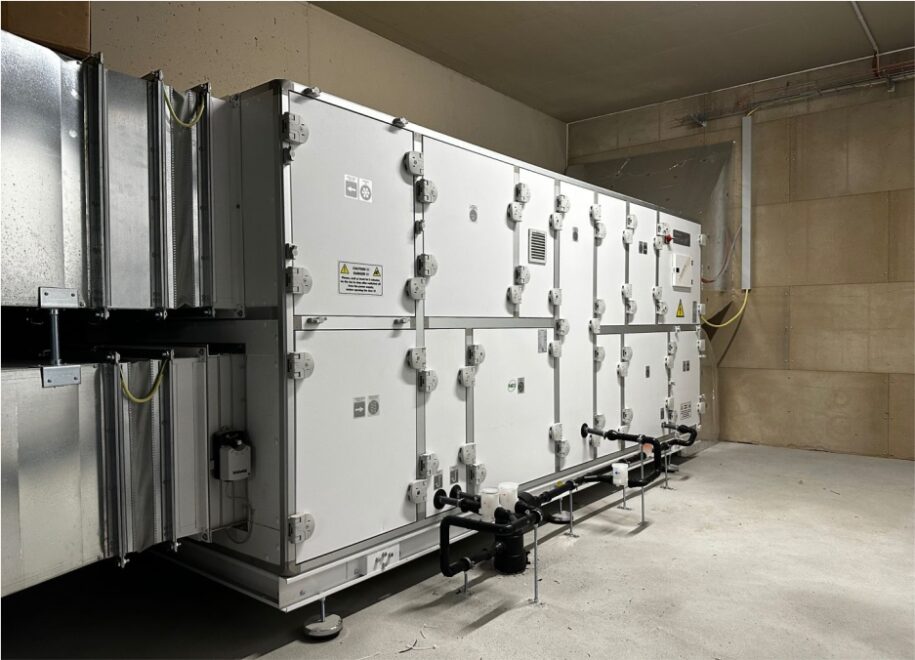
Air quality and HVAC systems in healthcare facilities are critical for patient safety and infection control. Hygienic air handling units (AHUs) are specially designed to meet these needs.

What is a Hygienic Air Handling Unit?

Hygienic AHUs are systems developed according to the specific requirements of healthcare facilities, providing high-efficiency filtration and controlled airflow. Key features include:

  • Antimicrobial surface coatings

  • Leak-proof construction

  • Easy-to-clean design

  • High-efficiency HEPA filtration systems

  • Condensate control mechanisms

Application Areas

  • Operating rooms

  • Intensive care units (ICUs)

  • Sterile pharmaceutical production areas

  • Neonatal units

  • Oncology and immunodeficiency clinics

  • Microbiology laboratories

Advantages and Importance

  1. Infection Control

    • Reduces hospital-acquired infection (HAI) risk by up to 40%

    • Controls pathogen spread

    • Prevents bacterial and viral growth within HVAC systems

  2. Patient and Staff Safety

    • Provides a safe environment for immunocompromised patients

    • Filters anesthetic gases and chemical vapors

    • Improves staff efficiency with a comfortable working environment

  3. Energy Efficiency

    • Intelligent airflow control for energy savings

    • Heat recovery systems

    • Compatible with variable air volume (VAV) systems

  4. Regulatory Compliance

    • ISO 14644 Clean Room Standards

    • DIN 1946-4 Medical Areas Ventilation

    • ASHRAE 170 Healthcare Ventilation Standard

Technical Specifications

Feature Standard Unit Hygienic Unit
Surface Roughness Ra > 0.8 μm Ra < 0.5 μm
Slope Angles Flat surfaces Minimum 3° slope
Drainage System Standard Antibacterial
Filter Efficiency 80–95% H13/H14 HEPA
Contamination Risk Medium Minimum

Maintenance and Operation

  • Weekly filter inspection

  • Monthly surface disinfection

  • Annual hygiene testing

  • Biannual airflow measurements

  • Annual thermal comfort analysis

Conclusion

Hygienic air handling units in healthcare facilities:
✓ Reduce infection rates
✓ Accelerate patient recovery
✓ Optimize energy costs
✓ Ensure compliance with regulations

Stay Informed About New Developments

Add your email address to our mailing list to be the first to learn about our new products and systems, and take advantage of our campaigns.

    Please prove you are human by selecting the plane.

      Cart