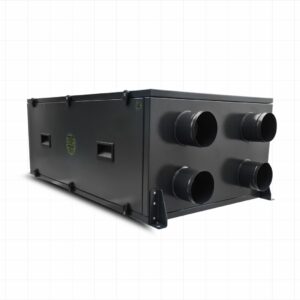

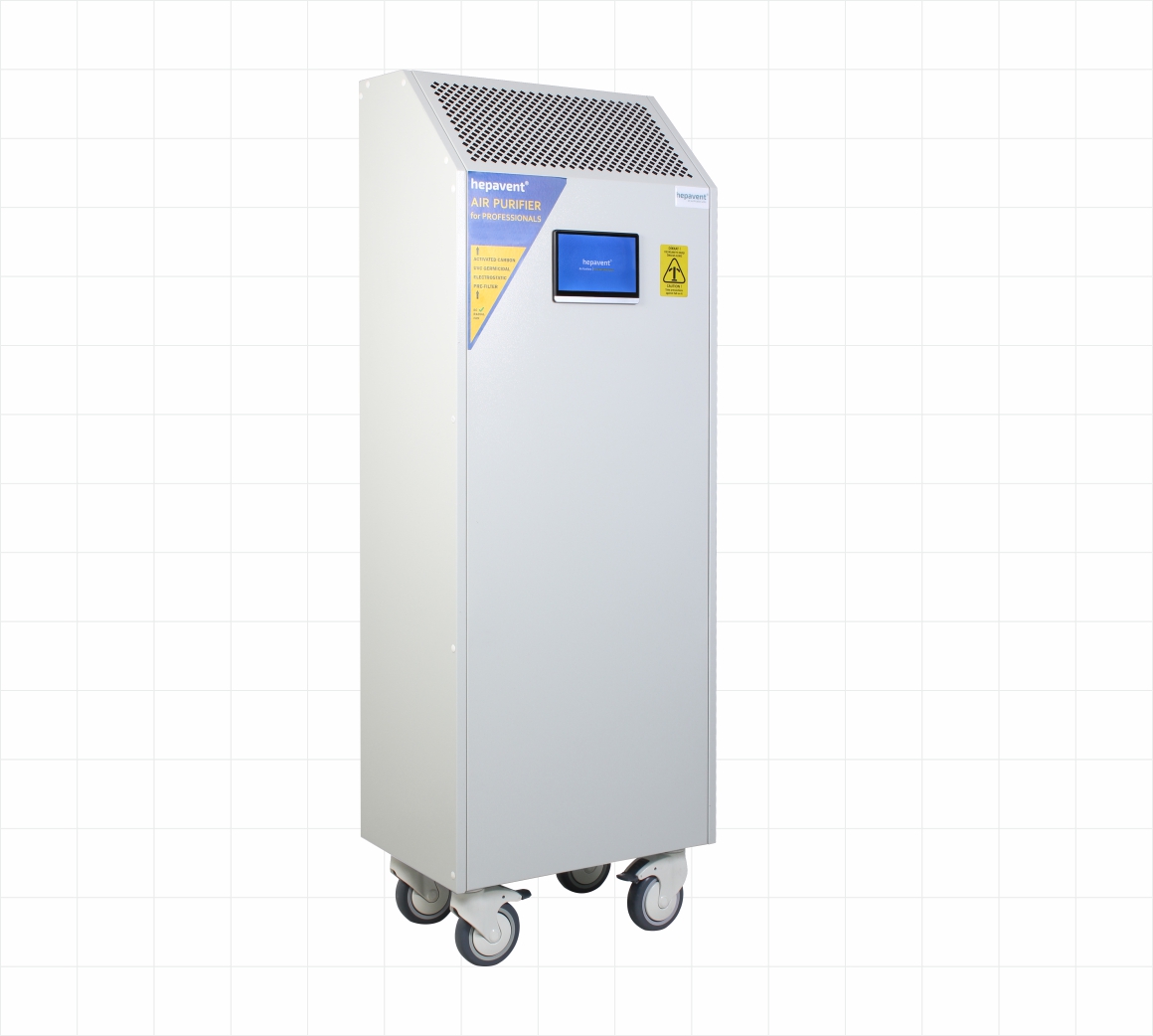
Description
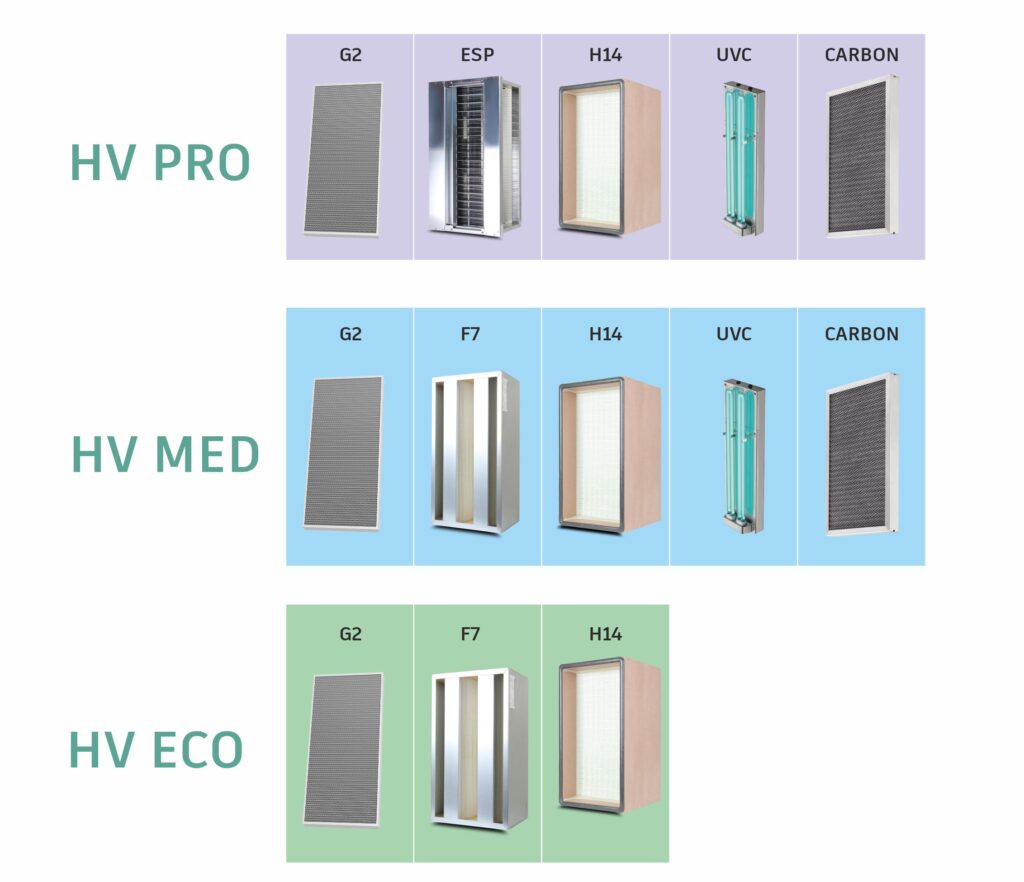
H14 CLASS HEPA FILTER
-
Definition and Features
H14 HEPA (High Efficiency Particulate Air) filters are high-efficiency particulate air filters classified according to the EN 1822 standard. These filters can capture particles as small as 0.3 microns with an efficiency of 99.995% or higher.
-
Efficiency: ≥ 99.995% (for 0.3-micron particles)
-
Test Standard: EN 1822-1:2019
-
Applications: Sterile environments, operating rooms, laboratories, pharmaceutical production facilities, intensive care units
-
Use in the Healthcare Sector
H14 HEPA filters are used in areas where air quality is critical in hospitals and other healthcare facilities:
-
Operating Rooms: Filter airborne particles and microorganisms during surgical procedures.
-
Intensive Care Units (ICU): Provide sterile air for immunocompromised patients.
-
Isolation Rooms: Prevent the spread of infectious diseases (e.g., tuberculosis, COVID-19).
-
Laboratories and Biosafety Cabinets: Prevent pathogens from contaminating the air.
-
Pharmaceutical Production Facilities (GMP Environments): Ensure particle-free air for sterile manufacturing processes.
-
Advantages
-
High filtration efficiency (viruses, bacteria, fungal spores, allergens)
-
Also known as EU14 class, considered the gold standard in medical applications
-
Optional antimicrobial coating available
-
Maintenance and Replacement
-
Leakage checks should be performed regularly using DOP/PAO testing
-
Lifespan varies between 6 months and 2 years depending on dust load
-
Typically used in hospitals with a pre-filter + H14 combination
Conclusion:
H14 HEPA filters are indispensable in healthcare for reducing hospital-acquired infections and maintaining sterile conditions. Their use in surgical and critical care areas is mandated by international standards (ISO 14644, WHO). For detailed technical specifications, refer to EN 1822 or ISO 29463 standards.
ELECTROSTATIC FILTER (ESP)
Electrostatic filters are air filtration systems that use electrostatic forces to capture airborne particles such as dust, pollen, microorganisms, smoke, and other fine particles with high efficiency. They generally operate as follows:
-
Pre-Filtration: Large particles are captured in the first stage.
-
Ionization: Particles in the air are electrically charged.
-
Collector Cell: Charged particles are attracted to oppositely charged metal plates and removed from the air.
Applications in Healthcare:
Electrostatic filters are used in operating rooms, ICUs, laboratories, and sterile areas to ensure high air quality:
-
Capture Microbes and Particles:
-
Biological contaminants such as bacteria, viruses, and fungal spores can remain airborne.
-
Electrostatic filters can capture up to 99% of these particles.
-
Often used with HEPA filters or as a pre-filter to enhance overall system efficiency.
-
-
Reduction of Chemical Pollutants:
-
Can trap chemical fumes and smoke in laboratories.
-
-
Energy Efficiency:
-
Lower pressure drop results in less energy consumption compared to traditional HEPA filters.
-
Reusable design ensures longer life and environmental friendliness.
-
Advantages:
-
High particle capture efficiency (including PM1)
-
Low operating cost
-
Long lifespan (cleanable)
-
Compatible with HEPA filters
-
Improves air quality and reduces infection risk
ULTRAVIOLET LAMP (UVC)
-
Definition and Working Principle
UVC filters use UV light at a 254 nm wavelength to inactivate microorganisms (viruses, bacteria, fungal spores) in the air.
Mechanism of Action:
-
DNA/RNA Damage: UVC light disrupts genetic material, preventing reproduction.
-
Integration with Airflow: Can be integrated into HVAC units or portable air purifiers.
-
Passive Disinfection: Does not physically filter air but can be combined with HEPA or electrostatic filters.
-
Healthcare Applications:
-
Operating Rooms and ICUs: Reduce airborne pathogens and prevent biofilm formation.
-
Hospital Corridors and Waiting Areas: Prevent the spread of airborne diseases such as COVID-19, influenza, tuberculosis.
-
Laboratories: Prevent pathogens from remaining viable in the air.
-
Supplement to Central HVAC Systems: Provides sterile air according to ASHRAE Standard 185.2.
-
Advantages:
-
High Microbial Inactivation: Up to 99.9% effective (proven against SARS-CoV-2, MRSA, E. coli, etc.)
-
Neutralizes microorganisms accumulated on HEPA filters
ACTIVATED CARBON FILTER
-
Definition and Working Principle
Activated carbon granular filters are made from highly porous carbon materials and capture volatile organic compounds (VOCs), odors, gases, and chemical fumes through adsorption.
Mechanism of Action:
-
Physical/Chemical Adsorption: The large surface area of carbon (500–1500 m²/g) traps harmful molecules.
-
Gas Filtration: Captures medical pollutants such as formaldehyde, ammonia, ozone, anesthetic gases (sevoflurane).
-
Micropore Structure: Pores between 0.5–50 nm enable molecular-level filtration.
-
Healthcare Applications:
-
Operating Rooms and Surgical Areas: Capture residual anesthetic gases (N₂O, halothane) and disinfectant fumes (hydrogen peroxide).
-
Laboratories and Pathology Units: Prevent carcinogenic chemicals like formalin or xylene from contaminating the air.
-
Oncology and Chemotherapy Preparation Units: Trap cytotoxic drug vapors (e.g., cyclophosphamide).
-
ICU and Patient Rooms: Reduce VOCs (from paint, cleaning agents) and unpleasant odors.
-
Advantages:
-
Broad-Spectrum Chemical Filtration: Captures 300+ different gases and vapors (EPA data)
-
Combined Use with HEPA: Hybrid HEPA + activated carbon systems provide both particulate and chemical filtration
Conclusion:
Activated carbon granular filters are essential for chemical and gas purification in healthcare, especially in operating rooms, labs, and chemotherapy units. Used with HEPA filters, they minimize both particle- and gas-based risks.
EC FAN TECHNOLOGY
-
Definition and Technical Features
EC (Electronically Commutated) dual-inlet radial fans are highly energy-efficient air movement systems using brushless DC motors, capable of drawing air from both sides.
Key Features:
-
Motor Technology: EC motors provide up to 90% energy efficiency via magnetic field control.
-
Dual-Inlet Design: Symmetrical blade structure draws air from two directions for uniform airflow.
-
Smart Control: Precise speed adjustment via 0–10V PWM or Modbus RTU.
-
Healthcare Applications:
-
Critical component of air purification units in hospitals and laboratories:
-
Areas Requiring HEPA Filtration: Provides constant airflow in operating rooms and sterile rooms.
-
Hospital Corridors and Waiting Areas: Low-noise, high-efficiency airflow in COVID-19 and tuberculosis isolation rooms.
-
Laboratories: Energy-efficient solution for capturing chemical fumes.
-
-
Benefits:
-
Energy Saving: 30–50% less energy consumption compared to AC fans
-
Quiet Operation: Noise level under 45 dB enhances patient comfort
-
Precise Speed Control: Reacts instantly to dynamic pressure changes (e.g., filter clogging)
-
Long Life: Maintenance-free bearings with 100,000-hour lifespan
-
Heat Resistance: Stable performance in high temperatures (-20°C to +70°C)